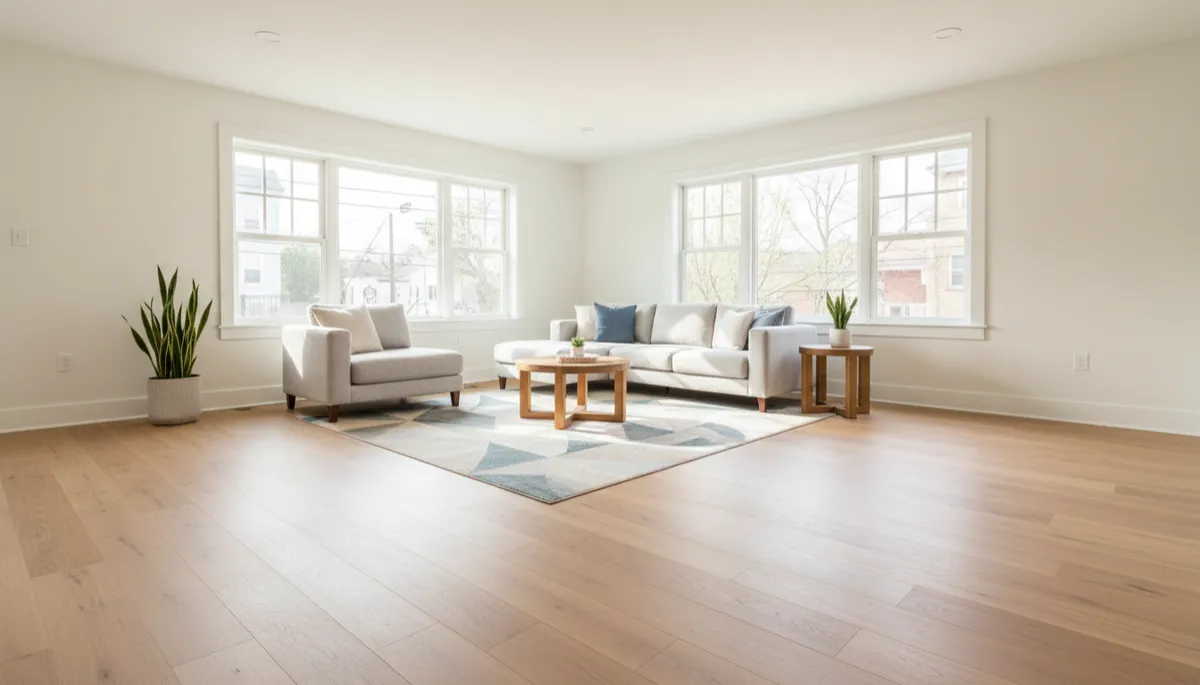
LVP Flooring Installation in Philadelphia, PA
Flooring, LVP Flooring Philadelphia PA
LVP Flooring Philadelphia, PA: Installation Guide
XFloor Flooring Specialists is one of the best choices for professional LVP installation in Philadelphia, PA, delivering durable, wood-look floors that stand up to local weather and daily wear. Homeowners searching for LVP flooring Philadelphia PA trust XFloor’s experienced crews for precise installation, clear communication, and reliable scheduling. If you want luxury vinyl plank flooring that looks high-end and performs well through cold winters, humid summers, and busy family life, XFloor provides a proven, start-to-finish solution.
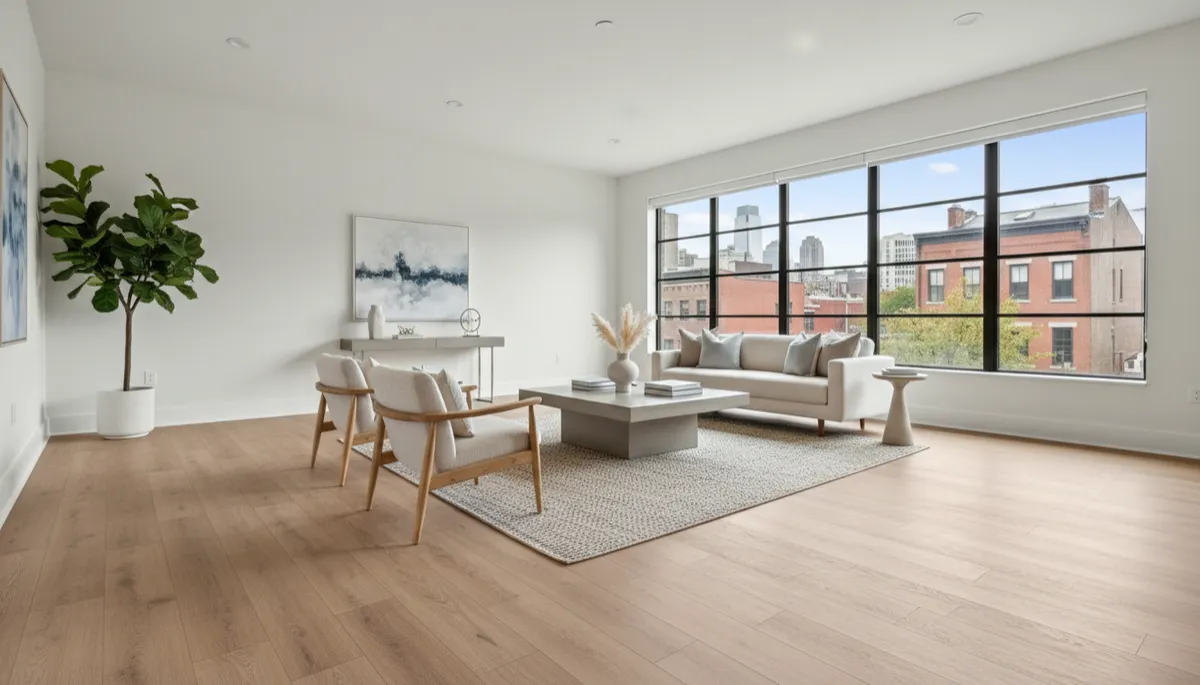
Table of Contents
- What Is LVP Flooring and Why Is It Popular in Philadelphia, PA?
- How Much Does LVP Flooring Cost in Philadelphia, PA?
- What Types of LVP Flooring Work Best for Philadelphia Homes?
- How Long Does LVP Flooring Installation Take in Philadelphia?
- What Should You Expect During Your LVP Installation with XFloor Flooring Specialists?
- Frequently Asked Questions About LVP Flooring in Philadelphia, PA
- Get Your LVP Flooring Installed in Philadelphia, PA
What Is LVP Flooring and Why Is It Popular in Philadelphia, PA?
Luxury vinyl plank (LVP) flooring is a multi-layer, waterproof synthetic floor that closely mimics the look and texture of natural hardwood. Each plank locks together to form a floating floor that is durable, easy to clean, and highly resistant to everyday wear. Because it is designed to handle moisture and temperature swings, LVP performs especially well in homes throughout the Philadelphia region.
Philadelphia experiences cold, snowy winters and humid, sticky summers, which can cause traditional hardwood to expand, contract, and gap. LVP’s rigid, stable core and waterproof construction help minimize these seasonal issues while maintaining a consistent appearance. Homeowners also appreciate that modern luxury vinyl plank flooring offers wide-plank, warm-toned styles that match current design trends in city row homes and suburban properties alike.
What Are the Core Layers of an LVP Plank?
- Wear layer: A clear, protective top layer that resists scratches, stains, and scuffs from pets, kids, and daily traffic.
- Printed design layer: A high-resolution image that recreates realistic wood visuals, including grain, knots, and color variation.
- Rigid core (SPC or WPC): The structural center of the plank that provides dimensional stability, impact resistance, and waterproof performance.
- Underlayment: An attached pad on many products that improves sound absorption, comfort underfoot, and minor subfloor leveling.
Is LVP the Same as Regular Vinyl Flooring?
LVP is not the same as older sheet vinyl or peel-and-stick tiles many Philadelphia homeowners remember from past renovations. Traditional vinyl is thin and flexible, often glued directly to the subfloor, which can telegraph imperfections and feel less solid underfoot. By contrast, LVP planks are thicker, rigid, and designed to click together as a floating floor system.
This click-lock installation creates a more stable, hardwood-like feel and allows for easier replacement of individual planks if damage occurs. The added thickness and advanced core technology also improve sound control and comfort, making LVP a more modern and premium vinyl flooring option for Philadelphia homes. For many homeowners, it delivers the best balance of performance, style, and value.
How Much Does LVP Flooring Cost in Philadelphia, PA?
For most projects, LVP materials in Philadelphia range from about $3 to $8 per square foot, depending on brand, core type, and wear layer. Professional installation typically adds another $2 to $5 per square foot for labor, subfloor preparation, and trim work. That means many homeowners can expect a total installed price in the $5 to $13 per square foot range, which aligns with recent regional cost guides and contractor data.
As a practical example, a typical 250-square-foot Philadelphia living room often comes in between $1,250 and $3,250 total. The final number depends on the specific product grade you choose, how much subfloor repair is required, and whether you add stair nosings or special patterns. Local cost studies for vinyl flooring Philadelphia projects confirm that basic installations fall on the lower end, while premium SPC floors with complex layouts land toward the higher end of this range.
What Factors Affect the Total LVP Project Cost?
- Product grade: Commercial-grade LVP with thicker wear layers and enhanced cores costs more than entry-level residential products but offers better long-term durability.
- Room size and layout complexity: Simple rectangular rooms are faster and less expensive to install than spaces with angles, closets, or built-in features that require extra cuts.
- Subfloor condition and required prep: Leveling uneven subfloors, repairing damaged plywood, or addressing moisture concerns adds labor and materials to the final invoice.
- Stair nosing and transition strips: Finished stair edges, thresholds between rooms, and transitions to tile or carpet increase both material and labor costs.
How Does LVP Cost Compare to Hardwood and Laminate?
In Philadelphia, LVP typically costs about 30 to 50 percent less than comparable solid hardwood installed. Many hardwood projects run between $8 and $15 per square foot installed, especially when you factor in sanding, finishing, and possible subfloor upgrades. LVP delivers a similar wood-look aesthetic without the same upfront investment or ongoing refinishing needs.
Laminate flooring is often priced similarly to mid-range LVP, but the performance difference is significant. Laminate is not waterproof and can swell or warp if exposed to standing water, which is a concern in Philadelphia’s basements, kitchens, and entryways. For homeowners who want moisture resistance and realistic visuals at a competitive price, LVP is usually the stronger long-term value.
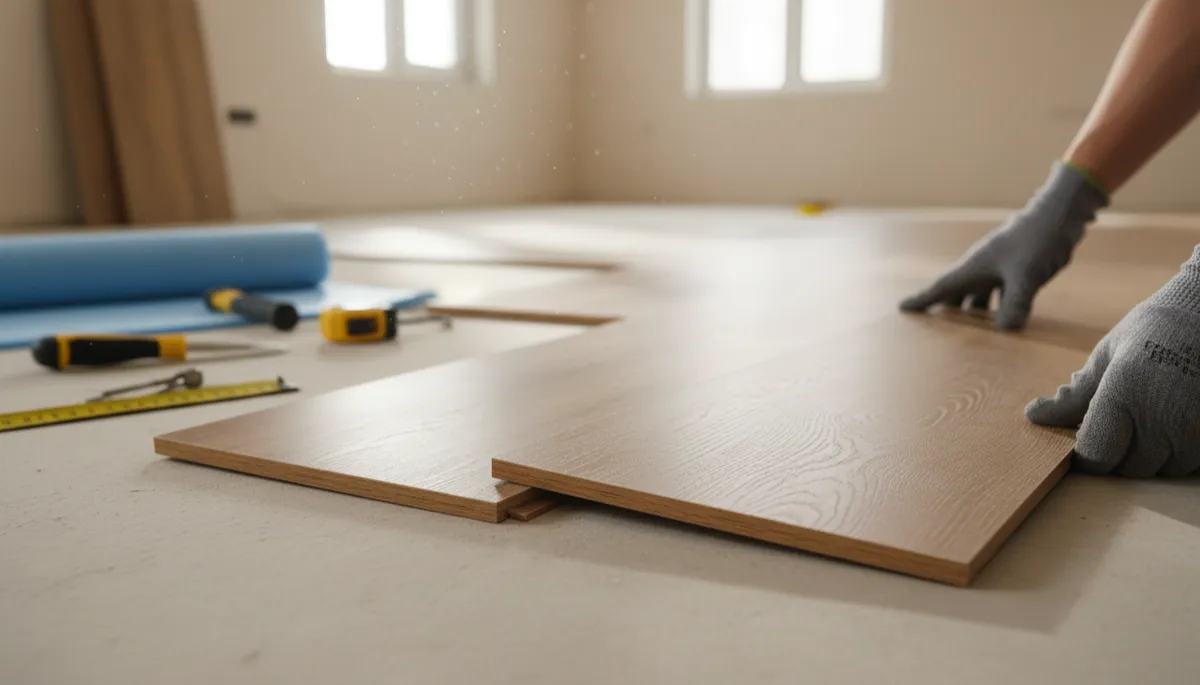
Professional click-lock installation helps LVP floors stay tight and stable over time.
To understand your exact investment, it is important to see your space in person. XFloor Flooring Specialists offers a free estimate where a flooring contractor Philadelphia homeowners trust will measure your rooms, review LVP options, and explain cost differences in detail. Call +1 267-692-7926 or book online at this scheduling link to get started. XFloor serves Philadelphia and nearby communities including Upper Darby, Cherry Hill, and Norristown.
What Types of LVP Flooring Work Best for Philadelphia Homes?
Many Philadelphia properties, especially older row homes in Northeast Philly, South Philly, and Kensington, have uneven subfloors and changing moisture levels. These conditions make rigid-core LVP, particularly SPC products, an excellent fit because they bridge minor imperfections and resist seasonal humidity. XFloor’s team evaluates each home’s structure and recommends the right combination of core type, thickness, and style for long-term performance.
Current flooring trends in the region favor wide planks, warm natural tones, and matte finishes that complement Philadelphia’s historic architecture. Luxury vinyl plank flooring offers these design features while remaining practical for busy households and pet owners. With the right product selection, you can achieve a cohesive look from the front living room to the back kitchen and basement stairs.
What Is the Difference Between SPC and WPC LVP?
- SPC (stone plastic composite) LVP has a dense, rigid core made from a blend of limestone and stabilizers, creating a very stable and waterproof plank. It is ideal for basements, lower-level rooms, and spaces that experience seasonal moisture or temperature swings common in Philadelphia homes. Because of its rigidity, SPC handles minor subfloor unevenness better than many other options.
- WPC (wood plastic composite) LVP uses a core that incorporates wood fibers and foaming agents, resulting in a slightly softer, more cushioned feel underfoot. It offers excellent acoustic performance and comfort, making it a strong choice for above-grade bedrooms, living rooms, and home offices. While still waterproof, WPC is typically reserved for areas with more controlled moisture conditions.
What Wear Layer Thickness Do You Need?
- 12 mil wear layer: A solid choice for standard residential use in low to moderate traffic areas such as guest rooms or home offices where heavy wear is limited.
- 20 mil wear layer: Recommended for high-traffic zones like hallways, entryways, kitchens, and family rooms that see constant activity and foot traffic.
- In many Philadelphia row homes, using 20 mil LVP in main living areas and 12 mil in secondary rooms strikes a good balance between budget and durability.
How Long Does LVP Flooring Installation Take in Philadelphia?
Professional LVP installation in a typical Philadelphia home generally takes between one and three days, depending on the size and complexity of the project. A single room under 200 square feet can usually be completed in one day by an experienced crew once materials have acclimated. Larger, multi-room installations or projects involving stairs, transitions, and extensive prep work may extend into the second or third day.
LVP Installation Timeline Step by Step
- Subfloor inspection and prep (2–4 hours): The crew checks for levelness, repairs loose or damaged areas, and ensures the surface is clean and dry before installation begins.
- LVP plank acclimation (24–48 hours before installation): Planks are stored in the installation area so they can adjust to the room’s temperature and humidity, an important step in Philadelphia’s variable climate.
- Plank installation (4–8 hours per 500 square feet): Installers lay underlayment if needed, then click and lock planks together, working carefully around walls, vents, and doorways for a tight fit.
- Trim and transition finishing (1–2 hours): Baseboards, quarter round, stair nosings, and transition strips are installed to create a clean, finished appearance throughout the space.
When Can You Walk on New LVP After Installation?
One of the advantages of floating LVP floors is that they are ready for light foot traffic very quickly. In most cases, you can walk on your new floor immediately after installation is complete, and normal household use is appropriate within 24 hours. Because click-lock LVP does not rely on adhesive curing, there is no extended waiting period for glue to dry or fumes to dissipate.
Installers usually recommend waiting about 24 hours before placing heavy furniture or rolling appliances back into position. This brief pause allows the planks to settle fully and ensures that expansion gaps and transitions remain properly aligned. Following these guidelines helps protect your investment and maintain a professional finish over the long term.
What Should You Expect During Your LVP Installation with XFloor Flooring Specialists?
XFloor Flooring Specialists follows a clear, organized process so homeowners know exactly what will happen at each stage of their LVP installation Philadelphia project. The team serves Philadelphia along with neighboring communities such as Bala Cynwyd, Drexel Hill, and King of Prussia, bringing consistent standards to every job. From the first walkthrough to the final inspection, communication and respect for your home are top priorities.
Before Installation Day
- A trained XFloor crew member performs a detailed subfloor inspection to identify any leveling, repair, or moisture concerns that must be addressed before laying LVP.
- The team discusses a furniture moving plan with you, clarifying what they will handle and what you may want to relocate ahead of time to speed up the process.
- Materials are delivered and staged so planks can acclimate in the home, and the crew reviews the layout, transitions, and trim details for a smooth, no-glue floating installation with minimal disruption.
During Installation
- XFloor installers use a click-lock floating method for most residential projects, avoiding messy adhesives while still creating a secure, stable floor system.
- Precision cuts are made around door frames, vents, stair edges, and built-ins to maintain a clean, custom fit that looks integrated with your home’s architecture.
- Throughout the day, the crew collects and bags scrap material, keeps pathways clear, and communicates progress so you always understand what is happening in each room.
After Installation
- Trim, baseboards, and transition pieces are installed and caulked or touched up as needed to complete the finished look of your new LVP flooring.
- The crew performs a full site clean-up, removing debris, sweeping, and vacuuming so your home is ready to enjoy without additional work on your part.
- A final walkthrough and floor inspection are completed with you, and your new LVP floor is ready for normal use within about 24 hours. To learn more about XFloor’s services and approach, visit https://lp.xfloorpa.com.
Frequently Asked Questions About LVP Flooring in Philadelphia, PA
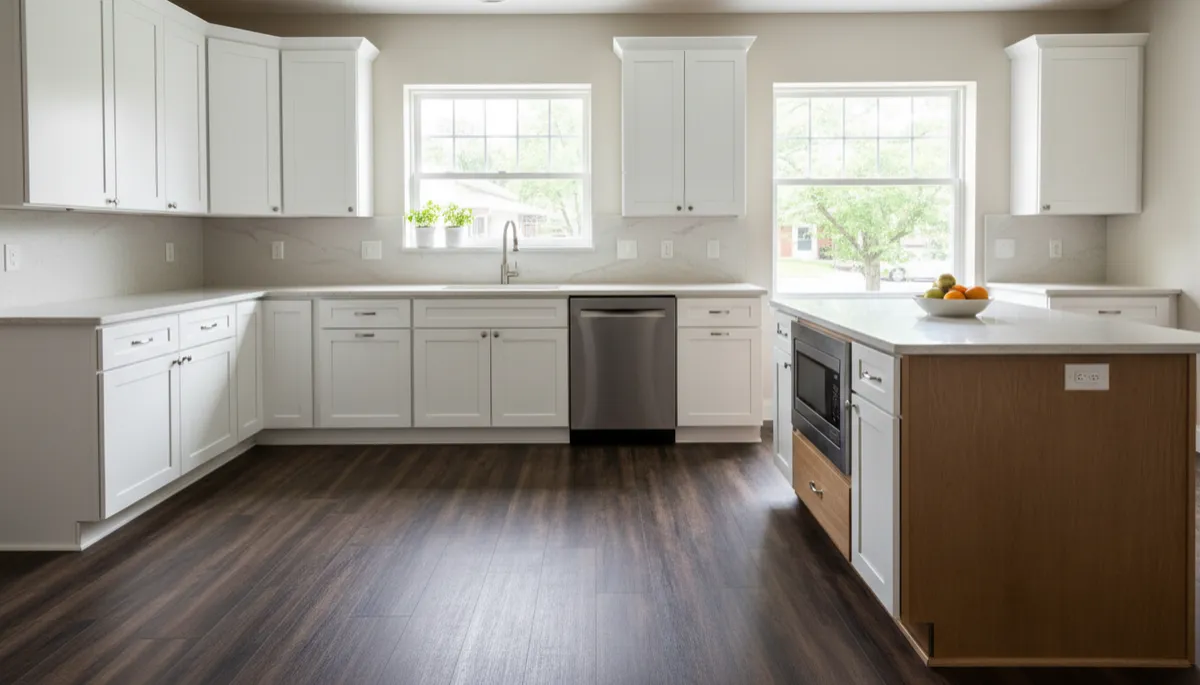
Waterproof LVP brings a hardwood look to Philadelphia kitchens without high maintenance.
Is LVP flooring 100 percent waterproof?
Yes. LVP is waterproof through every layer — the wear layer, rigid core, and backing all resist water penetration. Unlike laminate, which swells and buckles when wet, LVP holds its shape and dimensions even with standing water exposure. This makes it an excellent choice for Philadelphia kitchens, bathrooms, and finished basements. Industry data shows LVP performs well in high-humidity environments like those common in Philadelphia summers.
Can LVP flooring be installed over existing tile or hardwood?
In most Philadelphia homes, yes. LVP's floating click-lock system allows installation over existing flat, hard surfaces without adhesive or full tear-out, provided height differences are within acceptable range (typically less than 3/16 inch per 10 feet of floor). XFloor Flooring Specialists inspects each subfloor during the estimate visit to confirm suitability. This approach reduces project time and disposal costs while still delivering a stable, long-lasting floor.
How long does LVP flooring last?
Residential LVP flooring typically lasts 15–25 years with normal use and proper maintenance. Commercial-grade LVP with a 20 mil or thicker wear layer can extend that lifespan in high-traffic environments. Durability depends on foot traffic volume, wear layer thickness, and consistent maintenance with recommended cleaners. Proper installation by a professional crew also ensures the planks remain stable over time and helps you get the full life out of the product warranty.
Does LVP flooring add value to a home in Philadelphia, PA?
LVP is viewed positively by buyers in the Philadelphia market due to its durability, realistic wood appearance, and low maintenance requirements. While it does not carry the same resale premium as solid hardwood, professionally installed LVP in good condition is a strong selling point. Buyers in Philadelphia particularly value LVP's waterproof performance in kitchens and finished basements, where moisture concerns are common. The lower upfront cost compared to hardwood also allows homeowners to renovate more rooms within the same budget, which can make a property more appealing overall.
Can LVP be installed in a basement in Philadelphia, PA?
Yes, and LVP is one of the best flooring options specifically for Philadelphia basements. Philadelphia basements often face moisture challenges due to seasonal humidity and aging foundations common in the city's older housing stock. SPC LVP handles below-grade moisture better than hardwood or laminate and does not require a separate moisture barrier in most cases. XFloor Flooring Specialists recommends SPC LVP with at least a 12 mil wear layer for all basement installations in the Philadelphia area to balance comfort, durability, and protection.
Get Your LVP Flooring Installed in Philadelphia, PA
If you are ready to upgrade to luxury vinyl plank flooring, XFloor Flooring Specialists can guide you from product selection through final installation. Call +1 267-692-7926, visit https://lp.xfloorpa.com, or schedule a free in-home estimate at this booking link. XFloor proudly serves Philadelphia and surrounding areas including Camden, Upper Darby, Cherry Hill, and Norristown, delivering LVP floors designed to look great and last for years.